AI ads: how to make ad creatives that sell
AI ads are only as good as the creative behind them. Here is how an AI ad generator works, where it goes wrong, and how to pick one that shows your real product.
5 min read
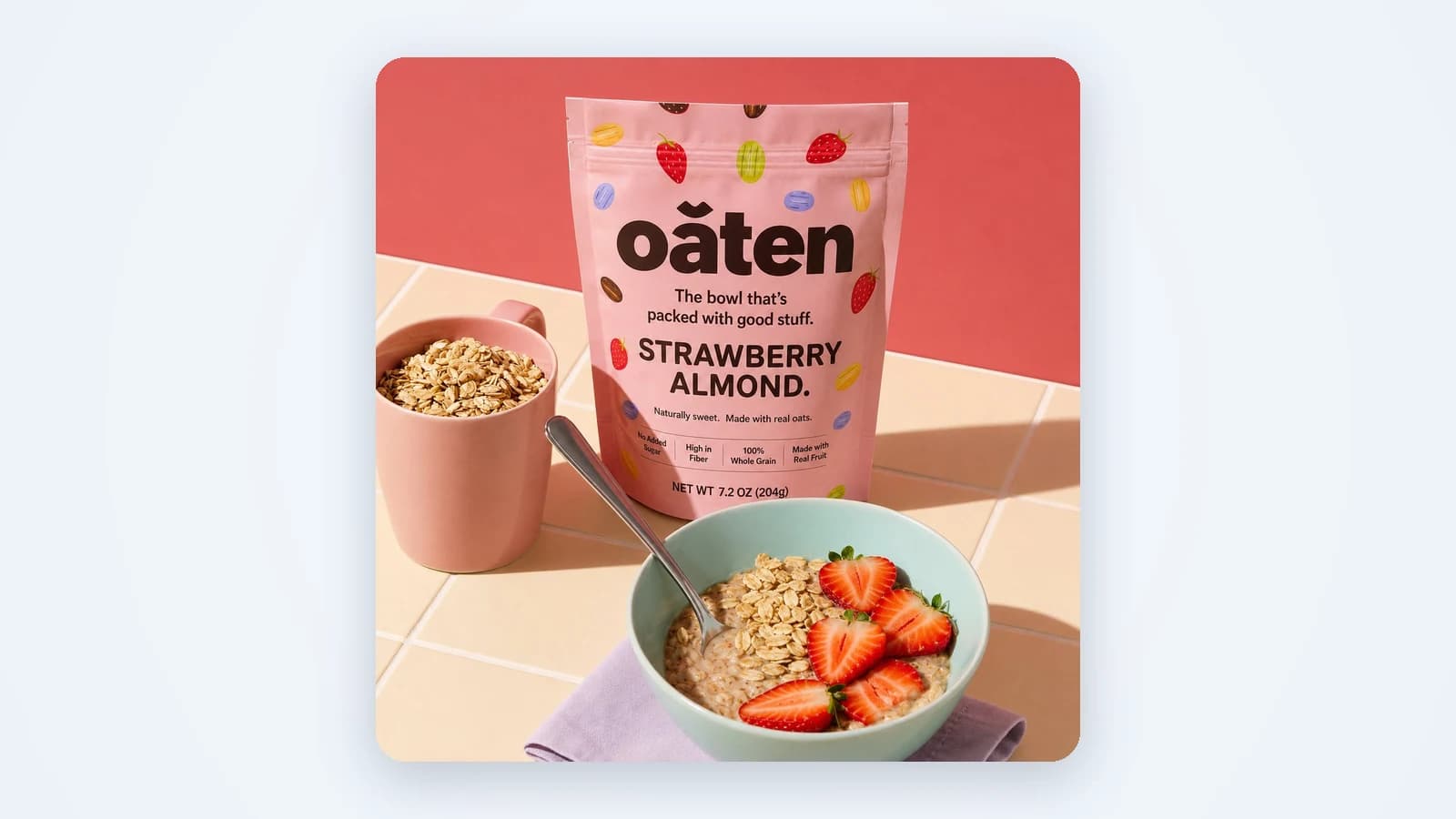
AI ads are ads where the creative itself (the image, the video, the copy) is made by an AI model instead of a studio. For a small seller that changes the math: a week of shoots and edits becomes an afternoon, and you can test ten versions instead of two. But the tool only saves money if the ads still sell. This guide covers how AI ads are made, where they go wrong and what to check before you pay for a tool.
What AI advertising actually means
AI advertising covers two different jobs. The first is delivery: Meta, TikTok and Google already use AI to decide who sees your ad and what you pay. You don't control that part much. The second is the creative: what people see when the ad shows up. That part is yours, and it is where most budgets are won or lost.
Platforms test a new creative on a small audience first. If people stop scrolling, it gets more reach. So the more good creatives you can feed in, the more chances you get. That is the real promise of ad creative AI: more good versions to test, made faster than a studio can.
How an AI advertisement generator works
Most tools follow the same path from product to finished ad. Here is what an AI advertisement generator like Vendy does, step by step:
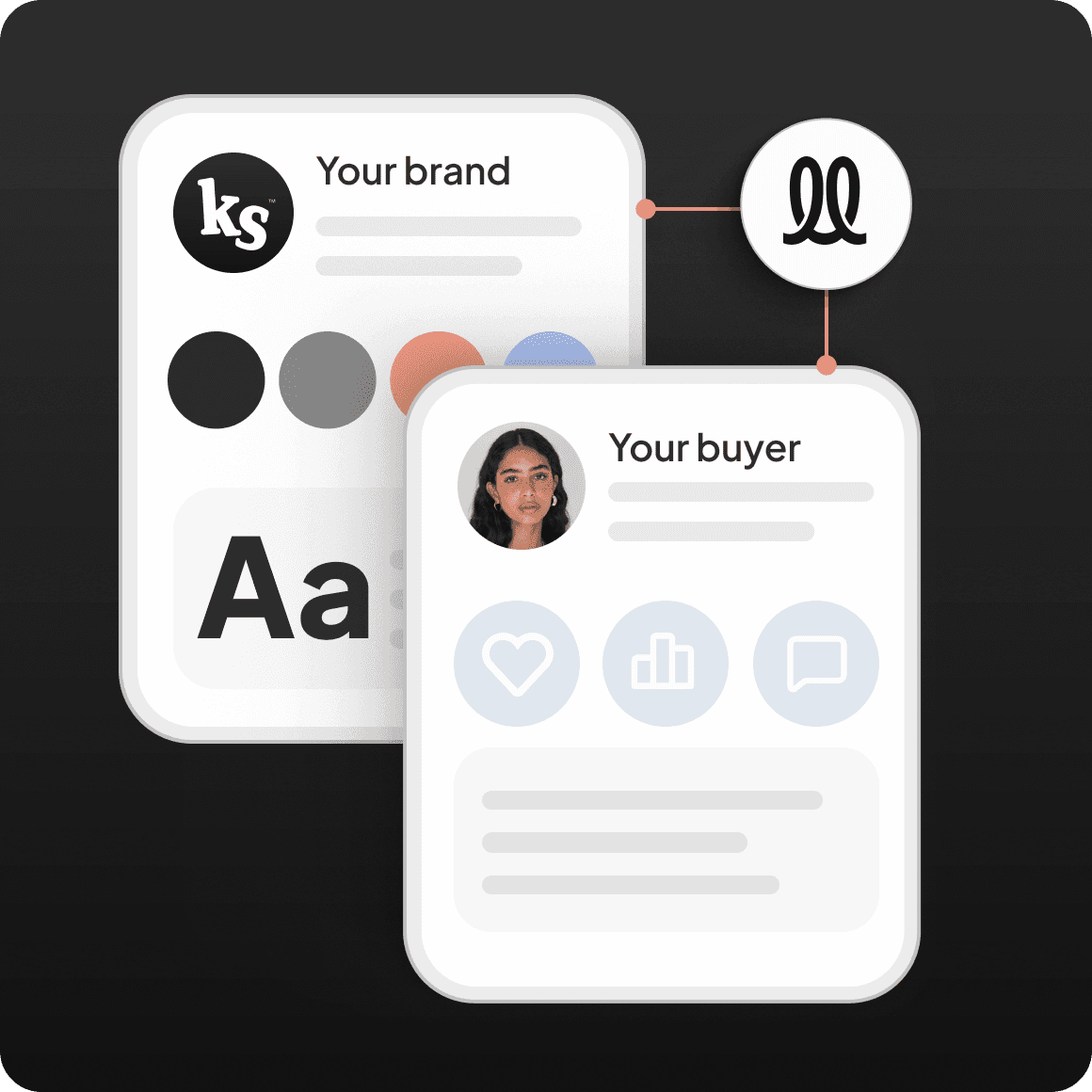
- Learns your brand. It reads your store or product page: logo, colours, product shots, prices.
- Learns your buyer. It works out who buys the product and why: the reason to click, in the buyer's words.
- Finds the angles. It picks hooks and formats that fit your category: a UGC video, a talking head, your product in a new scene.
- Builds every format. It renders the creatives and sizes them for each placement: feed, stories, reels.
- Hands you ads ready to launch. You pick the winners and upload them to your ad account.
Where AI ads go wrong
The weak spots are predictable. Know them and you can spot a bad tool in one test:
- The product changes. Generic image models warp shapes, shift colours and invent labels. A buyer who gets a different item from the one in the ad asks for a refund.
- It looks like stock AI. Glossy, generic scenes that could sell anything. People scroll past them because they've seen them a thousand times.
- Wrong sizes. A square image cropped into a 9:16 story cuts off the product or the price.
- No angle. A pretty picture with no reason to click. Without a hook, the creative is decoration.
Buyers forgive a simple ad. They don't forgive an ad that shows a product they won't receive.
How to choose a tool for AI ads
Before you subscribe to any AI ad maker, run one test on your own product. Five checks are enough:
- Use your hardest product. Something with a logo, fine text or an unusual shape. Check the result next to the real photo.
- Count the formats. Do you get stills and video, in the sizes your channels need, or one image you have to resize yourself?
- Read the copy out loud. Does it sound like your buyer, or like a template?
- Check the billing. Find out what a failed generation costs you and how cancelling works, before you enter a card.
- Time the whole run. From product link to files you can upload. That number is your real saving.
A weekly workflow for the AI advertiser
Being an AI advertiser doesn't mean handing the account to a robot. You still decide what to sell and what wins. The AI does the production. A simple weekly loop:
- Monday: pick one product and one goal: sales, leads or bookings.
- Generate a batch of AI ads: three to five hooks, in two or three formats.
- Launch them side by side with the same budget and audience.
- After a few days, keep the creative that holds attention and turns it into clicks. Pause the rest.
- Turn the winner into new formats and start the next round with fresh hooks.
Questions sellers ask about AI ads
Do AI ads perform as well as studio ads?
It depends on the creative, not on who made it. A studio ad with a weak hook loses to an AI ad with a strong one. What AI changes is how many versions you can afford to test, and testing is what finds the winner.
Will the AI ad show my real product?
With a generic image model, often not exactly. Vendy keeps your product pixel-accurate in every creative, so the ad sells the item the buyer will actually receive.
How much does an AI ad generator cost?
Most tools sell monthly plans with a set number of generations or credits. Compare the cost per finished ad, not the plan price. Vendy's current plans and credits are on the pricing page.
Takeaways
- AI ads win on volume: more good creatives to test, made in hours, not weeks.
- The creative is the part of AI advertising you control. Spend your effort there.
- Test any tool for AI ads on your hardest product before you pay.
- Keep the product real. A warped item costs more than it saves.
Next step: read how to make an ad step by step, or see the AI ad maker tools in Vendy, from AI UGC ads and AI commercials to ad templates.
Keep reading
All articles Ad basics
Product ads: formats that sell and how to make them
What product ads are, which formats small sellers should run, what makes one work, and how to turn one product photo into a full set of ads.7 min read
 How-to
How to make an ad: a step-by-step guide for small sellers
Seven steps from one product to an ad you can upload today: the goal, the buyer, the hook, the size, the creative, the versions and the numbers that pick the winner.8 min read
 Ad basics
What is ad creative? Parts, types and how to test it
Ad creative is the part of an ad people actually see. Here is what it is made of, the main types, and how to build a set of creatives worth testing.8 min read