TikTok AI ads: how to make ones people watch
TikTok already uses AI to deliver your ads. The creative is still your job. Here is how to make TikTok AI ads from one product photo, with prompts and hooks to copy.
7 min read
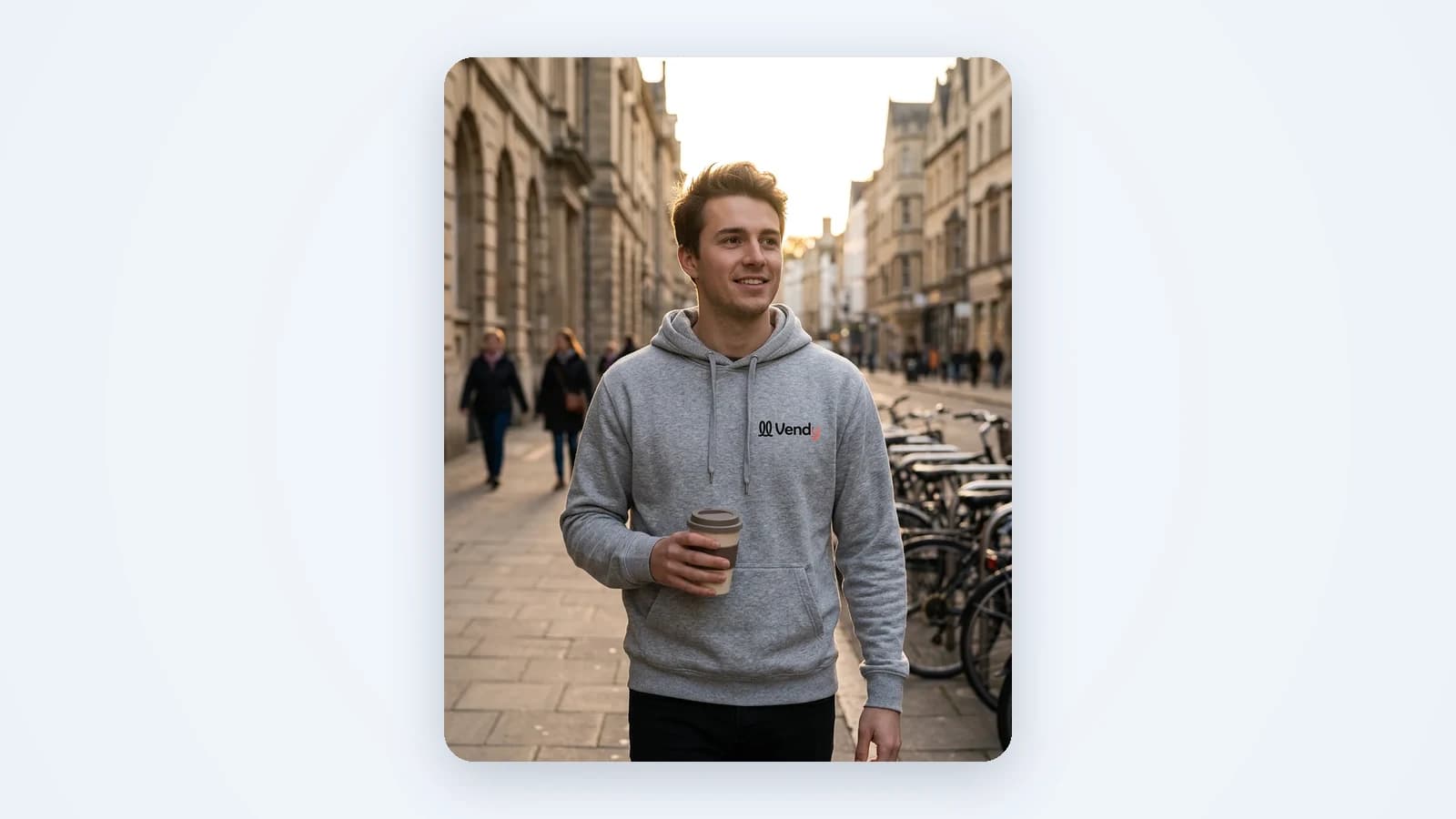
TikTok AI ads mean two different things, and most articles mix them up. One is the platform's own automation: TikTok uses AI to pick who sees your ad, when and at what price. The other is AI that makes the creative itself: the video, the hook, the captions. The first runs whether you like it or not. The second is where a small seller can win, because on TikTok the creative does most of the targeting work. This guide covers both, then shows how to make TikTok ads from one product photo, with prompts and hooks you can adapt.
What TikTok AI ads actually means
TikTok AI advertising splits into delivery and creative. Delivery is TikTok's own automation. You set a goal and a budget, and the system decides the audience, the placement and the bid. Broad targeting and automated campaigns push more of these choices to the machine every year.
That leaves one big lever in your hands: what people see. The algorithm shows your video to a small group first. If they watch, it shows it to more people. If they swipe, it stops. So the creative is your targeting. A strong video finds its buyers. A weak one never gets the chance.
What makes TikTok AI ads work
TikTok is not a feed of ads. It is a feed of people. The ads that work look like the videos around them. Before you make anything, check your idea against this list:
- Native look. Phone-shot, natural light, a real room. A polished studio spot reads as an ad, and people swipe.
- A hook in the first second. A line, a question or a strange visual that makes people stop. No logo intro.
- A person talking to camera. A creator who holds the product and talks like a friend is the classic TikTok format.
- Captions on screen. Many people watch with the sound off. The key line should work as text alone.
- Vertical 9:16. Full screen, product in the middle, nothing important near the edges where the app puts its buttons.
- Short. One idea per video. Fifteen seconds is plenty for most products.
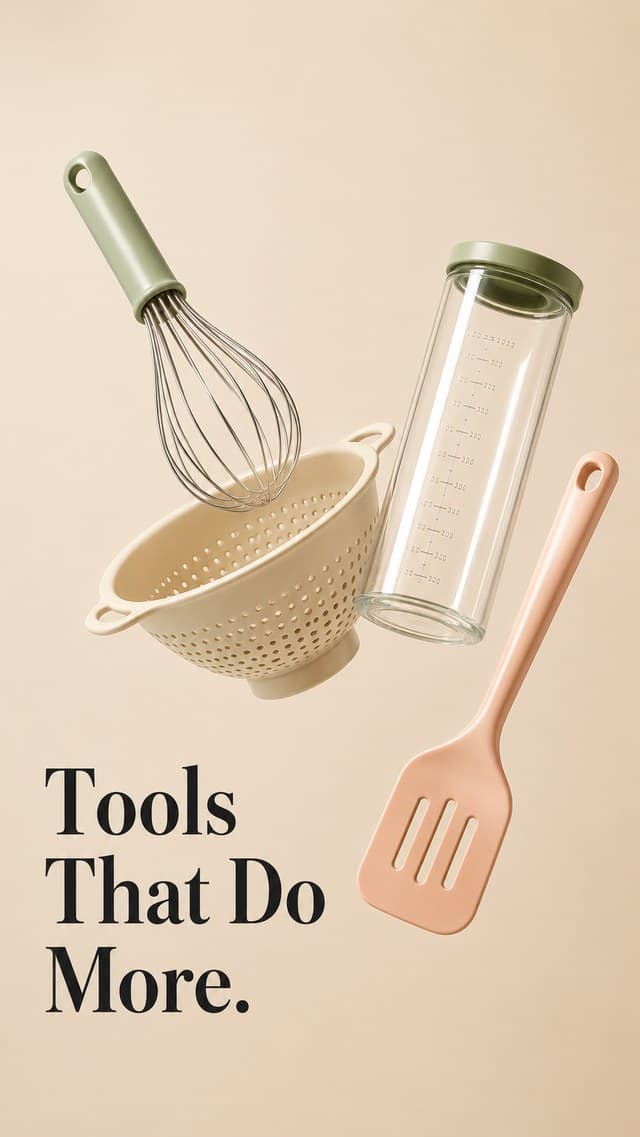
What grabs attention in TikTok AI ads in the first second
Most TikTok AI ads lose the viewer before the product shows up. Advice in the first second rarely stops anyone. Surprise does. Open on something that doesn't fit:
- An odd object. Something that has no business in the scene: candles melted into puddles on a windowsill in a heatwave, a face serum sitting in a toolbox.
- A contradiction. A line that argues with itself or with what people expect: "The cheapest thing in my bag gets the most compliments."
- A visual oddity. A strange scale, an upside-down shot, hands doing something you can't explain yet. People look twice to work it out.
Then hold something back. A reveal at the end gives people a reason to stay: show the finished look, the result or the product itself only in the last few seconds. An unboxing works on the same logic.
Sound matters too. An original sound, like a real voice, a real room or the click of a lid, tends to beat the trending track everyone else is using. Trending audio makes your video blend in. A creator who talks in their own voice is already halfway there.
Some things are hygiene, not levers. Text in the hook, a face in the first second and hashtags show up just as often in videos that flop as in videos that fly. Keep captions for sound-off viewers, but don't expect them to rescue a dull opening.
It helps to know the bar. In our own analysis of about 290,000 organic Instagram and TikTok posts, an ordinary TikTok video earned around 6.5% engagement (likes, comments and shares per view). Posts that beat their channel's usual views earned close to 11%. That's organic, not paid, so read it as a sense of what holding attention looks like, not a target for your ad.
How to make TikTok AI ads from one product photo
You don't need a creator, a studio or an editor. A TikTok ad generator like Vendy works from one product photo or a link to your product page. A phone shot is enough. Here is the path:
- Pick the format. For TikTok, start with AI UGC ads: an AI creator talks to camera about your product, with a phone-shot look and captions. For physical products, a product showcase works too: hands, unboxing, close-ups.
- Pick the face. Choose the creator yourself or let Vendy cast one. The creator is an AI avatar, not a real person.
- Edit the script. Vendy drafts it. Rewrite the first line until it is a real hook.
- Pick the opening frame. Vendy draws up to 4 opening frames first. You choose one, and only then it becomes the video.
- Download and upload. Get the 9:16 file, 3 to 15 seconds long, and upload it to TikTok Ads Manager yourself.
Your real product stays real in every frame: same color, shape, label and logo. No redrawn logos, no invented details. That matters on TikTok, where comments call out a product that looks different in the box.
TikTok AI prompts and hooks you can adapt
Good TikTok AI prompts describe a scene a creator would actually film, not an ad. Name the person, the place, the action and the first line. Swap the brackets for your own product.
Prompts for the video
- "A woman in her late 20s films herself in a bright bathroom, holds up [product] to the camera and says the first line. Phone-shot, natural light, slightly handheld."
- "Close-up of hands opening a package on a kitchen table. [Product] comes out, the hands turn it to show the label. Morning light, casual feel."
- "A man sits in his car after the gym, holds [product] and talks to the camera like he's telling a friend. Short, honest, no music at the start."
- "Side-by-side: the problem on the left, [product] in use on the right. Captions name the problem in five words."
Script hooks for the first second
- "I didn't expect [product] to fix [problem], but here we are."
- "Stop scrolling if you still [annoying habit the product solves]."
- "Three reasons I reorder this every month."
- "This is the [product type] I wish I'd found sooner."
- "POV: you finally found a [product type] that [result]."
- "Don't buy [product type] until you've seen this."
Keep the hook under ten words and match it to your buyer. A skincare brand on beauty TikTok leans on texture and before and after. A clothing brand in apparel and DTC leans on fit and the try-on moment. More hook ideas are in our guide to AI video ads.
A weekly testing routine for TikTok AI ads
One video tells you nothing. Five tell you which hook your buyers want. A simple routine:
- Pick one product and one goal: sales, sign-ups or bookings.
- Make three to five videos. Change only the hook and the first frame. Keep the product and the offer the same.
- Launch them in one campaign with the same budget and let TikTok's own automation spread the spend.
- After a few days, look at how many people watched past the first seconds, then at clicks. Keep the winner, pause the rest.
- Make new hooks in the winner's style and start the next round. TikTok audiences tire of a video fast, so plan to refresh often.
Want more formats than talking heads? The AI video ad generator also makes product showcases and avatar slideshows in 9:16, so one product can feed several tests.
Questions sellers ask about TikTok AI ads
Does TikTok allow AI-made ads?
Yes, but read TikTok's current advertising policies before you launch. Platforms ask advertisers to label realistic AI-generated content, and an AI creator should never pretend to be a real customer or make claims the product can't back up.
Does Vendy post the ads to TikTok for me?
No. Vendy makes the creative only. It does not buy media, set targeting or post to your ad account. You download the videos and upload them in TikTok Ads Manager. Every generated video comes with full commercial rights, including paid placements.
What does it cost?
Every plan includes every tool. Current plans and credits are on the pricing page.
Takeaways
- TikTok AI ads have two sides: TikTok's own automation for delivery, and AI for the creative. You control the creative.
- On TikTok the creative is the targeting. Native look, a hook in the first second, captions, 9:16, short.
- Open on surprise: an odd object, a contradiction or a visual oddity, and save a reveal for the end. Captions, faces and hashtags are hygiene, not hooks.
- One product photo is enough to make a creator video. Keep the product real in every frame.
- Write prompts as scenes a creator would film, and test three to five hooks at a time.
Keep reading
All articles Platforms
AI Facebook ads: what Meta automates and what you control
There are two kinds of AI in Facebook ads. One decides who sees your ad. The other makes the ad itself. Here is how to use the part you control.6 min read
 AI advertising
AI ads: how to make ad creatives that sell
AI ads are only as good as the creative behind them. Here is how an AI ad generator works, where it goes wrong, and how to pick one that shows your real product.5 min read
 Ad basics
Product ads: formats that sell and how to make them
What product ads are, which formats small sellers should run, what makes one work, and how to turn one product photo into a full set of ads.7 min read