What is ad creative? Parts, types and how to test it
Ad creative is the part of an ad people actually see. Here is what it is made of, the main types, and how to build a set of creatives worth testing.
8 min read
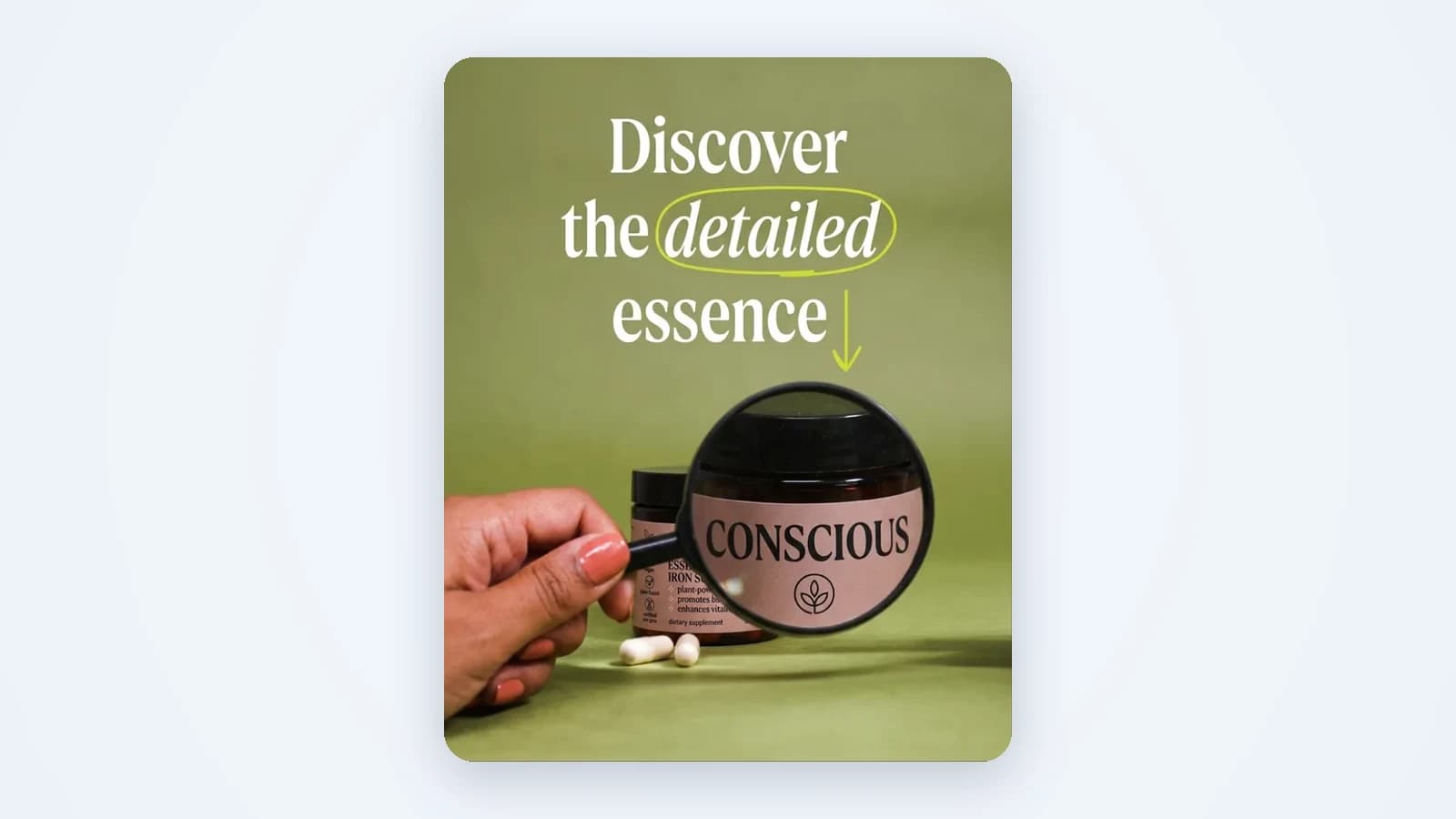
Ad creative is everything a person sees or hears in your ad: the image or video, the words on it, the first second that makes them stop. Targeting decides who gets the ad. Budget decides how often. The creative decides whether anyone cares. For a small seller with a small budget, it is the one lever you fully control. This guide covers what an ad creative is made of, the main types, and how to build a set you can actually test.
What ad creative means
In an ad account, a campaign has three layers: the audience, the budget and the creative. Advertising creative is the third layer. It is the finished asset you upload: a photo, a carousel, a short video, plus the text that sits around it.
People often use "ad creative" and "ad copy" as if they were the same thing. They aren't. Copy is one part of the creative. A good line on a weak image still gets scrolled past. A strong image with no reason to click gets looked at and forgotten. The creative is the whole package working together.
The parts of an ad creative
Take any ad that made you stop and you will find the same five parts:
- The hook. The first thing the eye or ear catches: a bold headline, a face, a surprising shot, a question. In video it is the first second or two.
- The visual. The product, the scene, the person. This is where the buyer decides if the thing looks worth the money.
- The copy. The headline on the image, the captions, the primary text. One clear idea beats three.
- The offer. Why now: a discount, free shipping, a bundle, a booking slot. Not every ad needs one, but every ad needs a reason.
- The call to action. What to do next: shop, book, try. The platform button helps, but the creative should point there too.
Types of ad creative
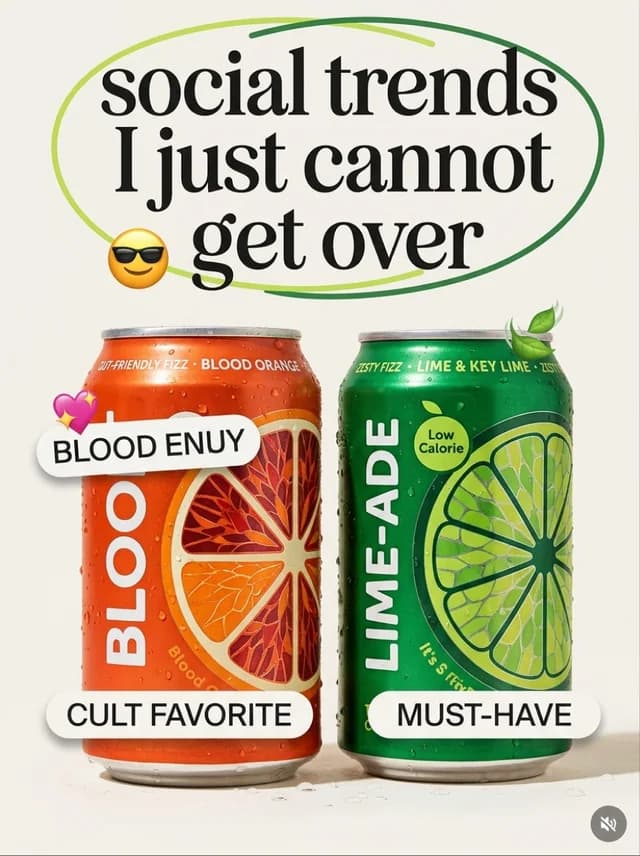
Most ads creatives on Meta, TikTok and Google fall into a handful of types. Each does a different job:
- Static image. One picture with a headline. Fast to make, fast to read, and still the workhorse of most accounts. More on them in our guide to static ads.
- Carousel. Several swipeable slides in one ad. Good for showing a range, telling a short story or walking through features one at a time.
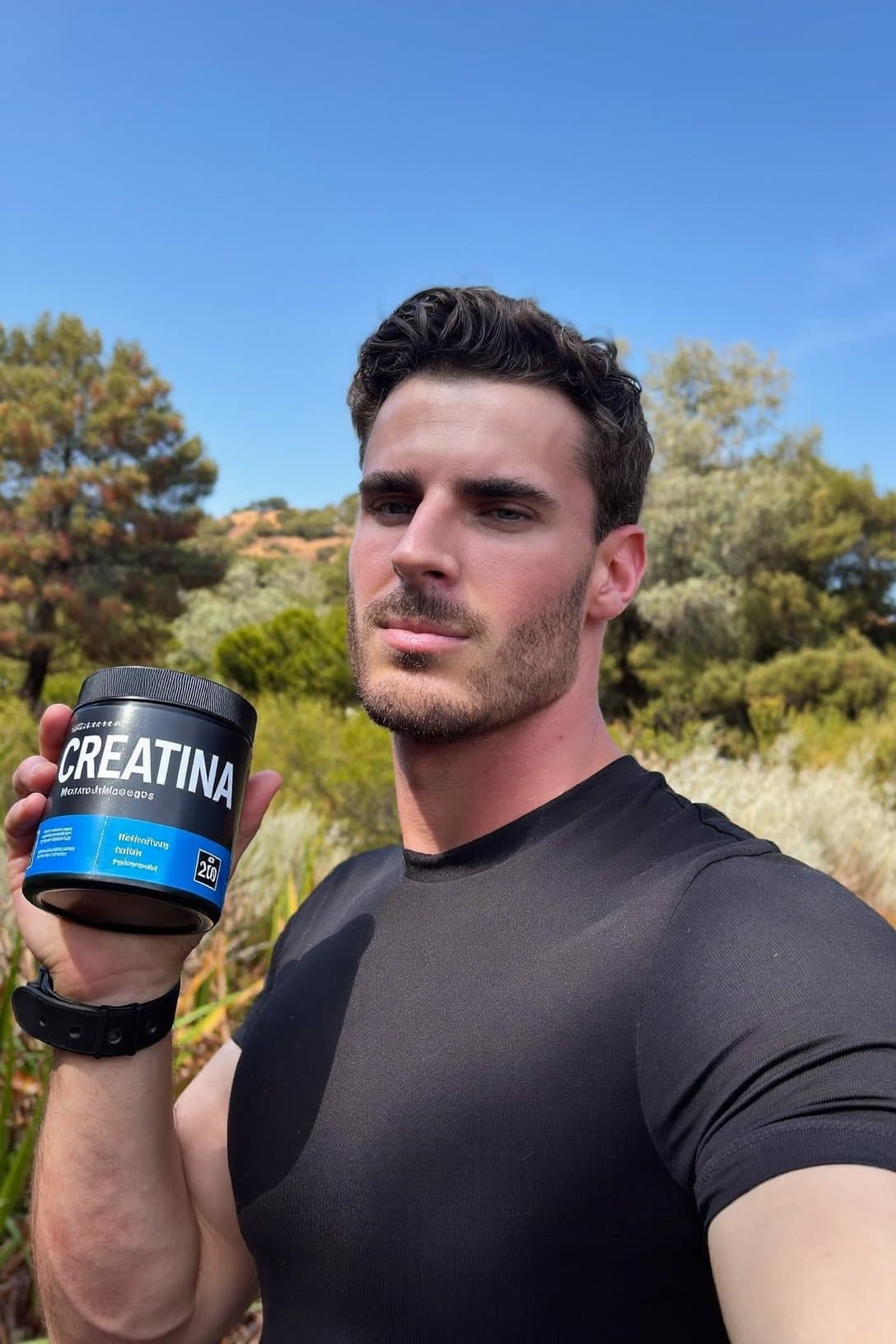
- UGC video. A person talks to camera about the product, phone-shot and casual. It feels like a friend's recommendation, not a commercial.
- Product video. The product is the star: hands, unboxing, close-ups. Best for physical goods where texture and size matter.
- Presenter video. Someone explains the offer over a few slides or scenes. Works for services, apps and anything that needs a little explaining.
Why ad creative matters more than ever
Meta, TikTok and Google now do much of the targeting on their own. You give them a broad audience and a budget, and their systems decide who sees what. That leaves fewer manual levers in your hands, and it moves the weight to the creative.
These platforms show a new creative to a small slice of people first. If people stop and engage, the system gives it more reach. If they scroll past, it quietly stops spending on it. In practice, the creative now does part of the targeting: a video aimed at new moms finds new moms, because they are the ones who watch.
What moves ad creative results, and what doesn't
When you plan a test, it's tempting to vary the easy things. Some of them barely matter. In our own analysis of about 290,000 organic Instagram and TikTok posts, text in the hook appeared in about 89% of posts that beat their channel's usual views, and in about 89% of ordinary posts too. A face in the first second: around 70% in both groups. That's organic, not paid, but the message is clear. These are hygiene, not levers.
- Text in the hook. Keep it for sound-off viewers. Don't expect a caption to rescue a dull first second.
- A face in the first second. Fine when the format needs one. Adding a face for its own sake changes little.
- Cut rate. Fast cutting didn't separate the standouts from the rest. A calm single take can work as well as a busy edit.
- Hashtags. A few for order, no more. They don't move reach on their own.
Spend your test on what does differ: the angle, the surprise in the first frame, the story the creative tells.
Let comments vote: "1 or 2?"
If you also post your creatives on your own page, end the caption with a concrete choice: "1 or 2?", "Which one would you stop for?". In the same analysis, a direct ask to choose brought about a fifth more comments on Instagram than the same channel's other posts, and it didn't cost reach. Put two versions side by side and you get a free pre-test before you spend on ads. Skip the "comment a word to get the link" trick. It inflates the comment count, most of those comments are just the word, and reach doesn't grow.
How to build a testable set of ad creatives
A test only teaches you something if the creatives differ in one clear way. Here is a simple way to build a set for one product:
- Pick one product and one goal. Sales, leads or bookings. Mixing goals muddles the results.
- Write three to five angles. Different reasons to buy: saves time, looks better, costs less than the usual option, solves one annoying problem.
- Give each angle a hook. One headline or opening line per angle. This is the variable you are really testing.
- Make two or three formats. A static image and a short vertical video, at least. Different people respond to different formats.
- Size for every placement. 9:16 for stories and reels, 4:5 or 1:1 for feeds. A cropped product or a cut-off price wastes the impression.
- Launch side by side. Same audience, same budget. Give it a few days before you judge.
- Keep the winner, replace the rest. Then make new versions of the winning angle and start the next round.
You don't have to start from a blank page. Proven layouts are a fast shortcut: ad templates give you a structure that already works, rebuilt with your product, brand and words.
Where AI ad creatives fit in
The hard part of a testable set is volume. Five angles in two formats and three sizes is thirty files. A studio can make that, but not every week, and not on a small budget. That is the gap AI ad creatives fill: the production gets fast enough that testing becomes routine. Our guide to AI ads covers how that works and where it goes wrong.
In Vendy, each type above maps to a tool. Static ads put your product in a new scene with new light and a headline: up to 4 versions per run, in 8 sizes from 9:16 to 16:9. That is the AI product photo tool. Carousels run from 2 to 10 slides. AI UGC ads give you an AI creator who talks to camera about your product, with a script you can edit and captions. AI avatar video ads put an AI presenter over 3 to 6 slides with a matched voice.
Two things stay the same across all of them. First, your real product is kept: color, shape, label and logo unchanged, no redrawn logos, no invented details. Second, Vendy makes the creative only. You download the files and upload them to Meta Ads Manager, TikTok Ads Manager or Google Ads, where you keep control of audience and budget.
The platform can find your buyer. It can't make your buyer care. That part is still the creative.
Questions sellers ask about ad creative
How many creatives should I run at once?
Enough to compare, few enough that each one gets spend. For a small budget, three to five creatives per product is a sensible start. Add more once you know which angle works.
How often should I refresh my creatives?
When results drop and the audience hasn't changed, people are likely tired of what they see. Keep the winning angle and give it a new hook, a new scene or a new format.
Can I use AI-made creatives in paid ads?
Yes. Vendy gives you full commercial rights to every image and video it generates, including paid placements. Plans and credits are on the pricing page.
Takeaways
- Ad creative is what people see: hook, visual, copy, offer and call to action.
- Static, carousel, UGC video, product video and presenter video each do a different job. Use more than one.
- Platforms test ad creative for you. Your job is to give them real options to choose from.
- Build sets that differ in one clear way, mostly the angle and the hook, and keep what wins.
- Text in the hook, a face in the first second, cut rate and hashtags are hygiene. Test the angle and the surprise instead.
- Keep the product real in every version. The buyer should get what the ad showed.
Next step: see every AI ad maker tool in Vendy and build your first test set from one product photo.
Keep reading
All articles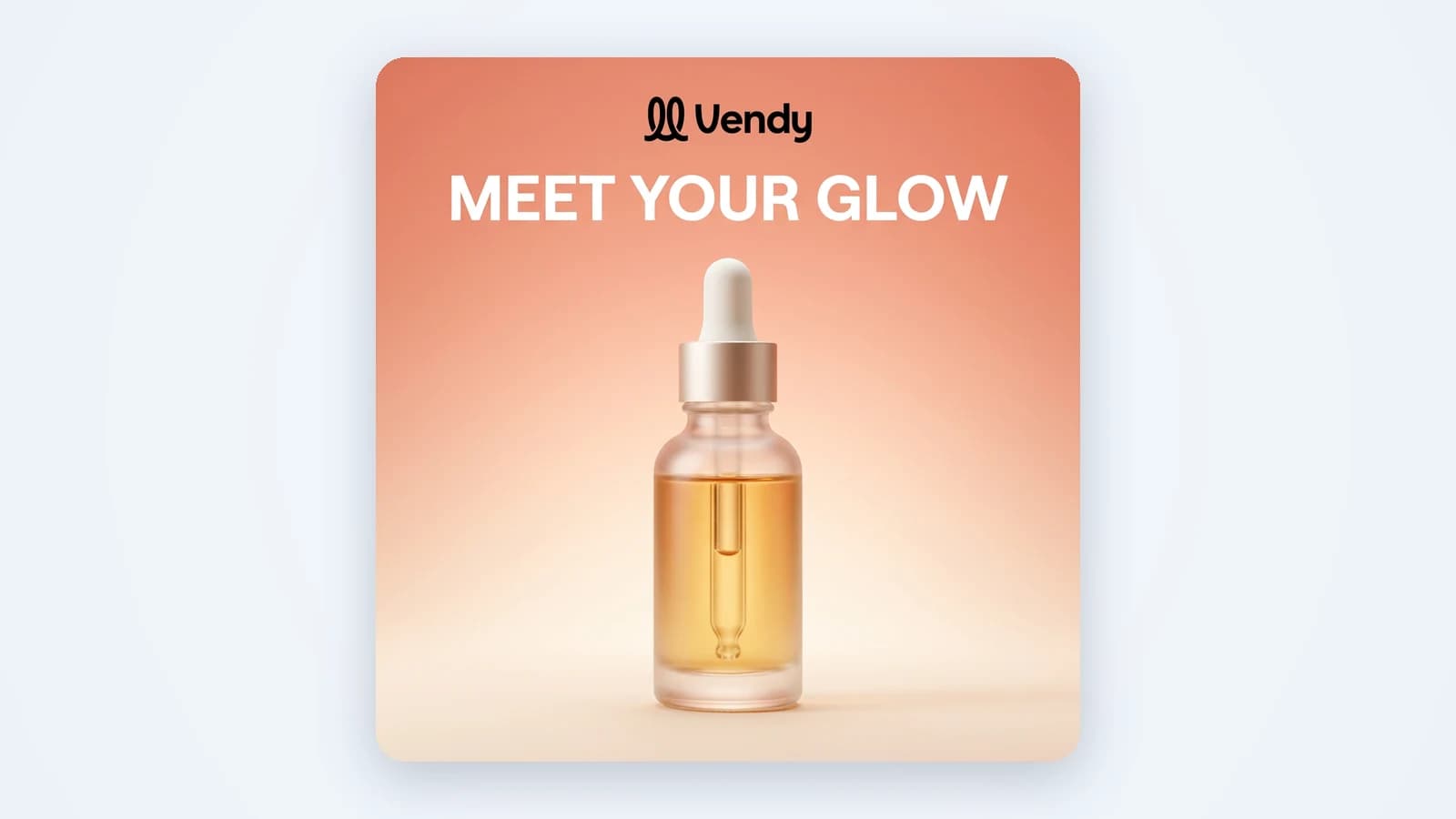 Ad basics
Product ads: formats that sell and how to make them
What product ads are, which formats small sellers should run, what makes one work, and how to turn one product photo into a full set of ads.7 min read
 AI advertising
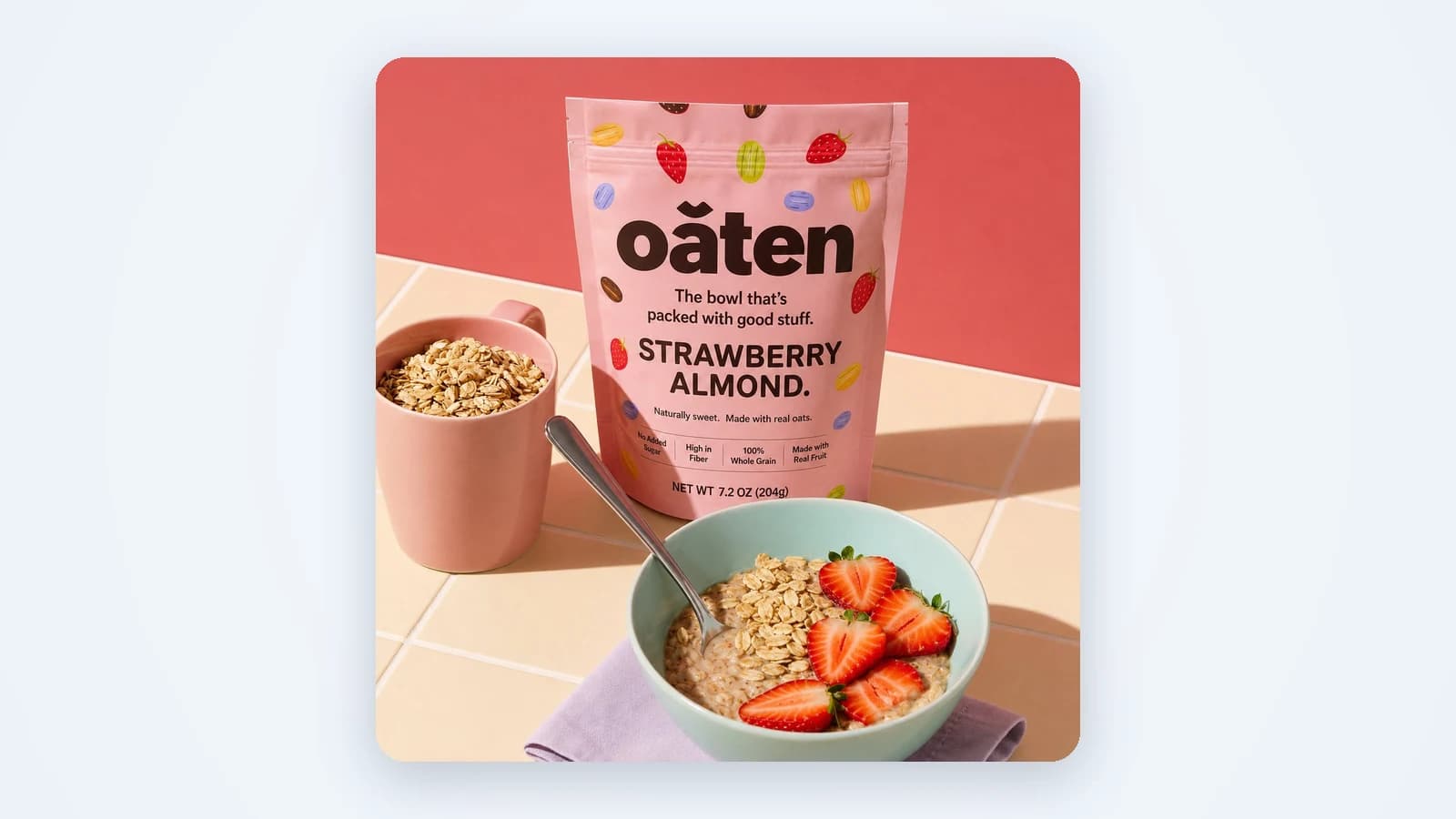
AI ads: how to make ad creatives that sell
AI ads are only as good as the creative behind them. Here is how an AI ad generator works, where it goes wrong, and how to pick one that shows your real product.5 min read
 How-to
How to make an ad: a step-by-step guide for small sellers
Seven steps from one product to an ad you can upload today: the goal, the buyer, the hook, the size, the creative, the versions and the numbers that pick the winner.8 min read