Video ad hooks: how to stop the scroll in the first two seconds
A video ad gets one or two seconds before the thumb moves on. Here is what actually stops it, what doesn't, and ten hook ideas a small seller can test this week.
7 min read
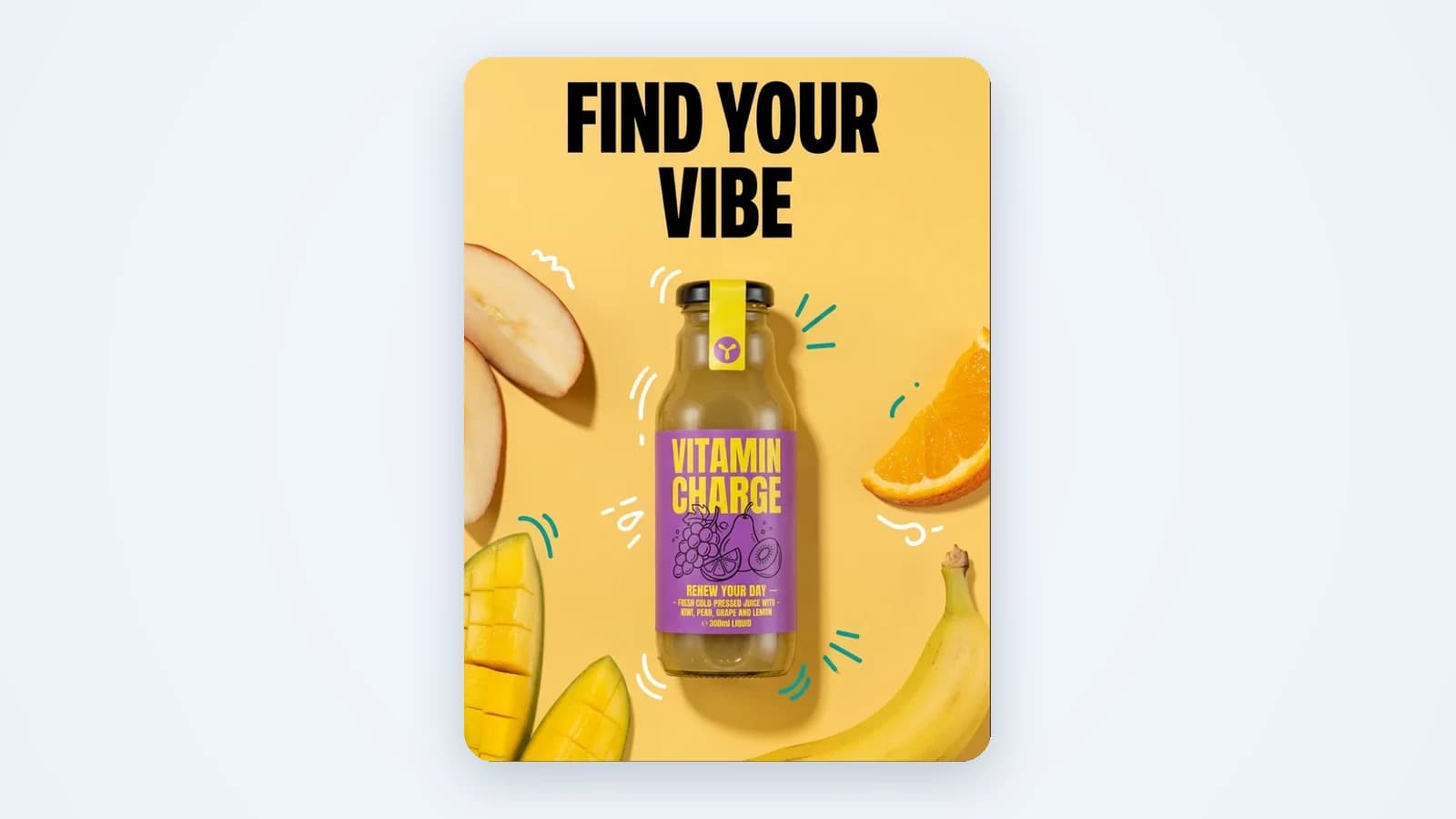
Video ad hooks are the first one or two seconds of a video ad: the frame and the line that decide whether someone keeps watching or scrolls on. Everything after the hook only counts if the hook works. The good news for a small seller: a hook is not about budget. It is about giving the eye something it didn't expect. This guide covers what stops the scroll, what doesn't, and ten hooks you can try on your own product.
Why video ad hooks decide the result
Feeds on TikTok, Instagram and Facebook move fast. People decide in a blink, often with the sound off. So the first 3 seconds of a video ad carry most of the weight, and the very first second carries the most. If the opening looks like every other ad, the rest of your video never gets seen, no matter how good the offer is.
Platforms also learn from that blink. A creative that holds attention gets shown to more people. One that loses it early gets less reach. That is why testing several ad hooks on the same video body is one of the cheapest tests you can run.
What actually stops the scroll
We looked at what sets apart posts that beat their own channel's usual views from that channel's ordinary posts. In our own analysis of ~290,000 Instagram and TikTok posts, surprise as the main emotion showed up about twice as often in the posts that broke out. These are organic posts, not paid ads, and it is a pattern, not a guarantee. But the levers carry over to ads well:
- Surprise. Open on something the viewer did not see coming. Not advice, not a logo. A moment.
- Contradiction. A line or picture that seems to argue with itself. The brain stops to resolve it.
- An unexpected object. Something in the frame that doesn't belong there. A sneaker in a fridge. A candle on a car dashboard.
- Visual oddity. A strange scale, a wrong angle, a product doing something it shouldn't.
- Calling out the viewer's role. Name who the ad is for in the first words: "Dog owners:" or "If you bake for a living:". People stop for their own name.
- A time or effort promise. "Dinner in ten minutes." "Fixes a scuff in one wipe." Promise something the video then shows. Never promise income.
- A reveal held to the end. Show that something is coming, then make them wait for it. The best part goes last.
- Original sound. A real voice or the real sound of the product beat trending audio in our research. Trending tracks did slightly worse than ordinary posts.
10 hook ideas for ads you can test this week
Here are hook ideas for ads a small seller can make from one product. Each one uses a lever from the list above. Pick two or three, put them on the same video body and let the numbers choose.
- Show the product in a disaster. Candles melted into puddles in a heatwave, with a question on screen: "How's your summer going?" Then cut to your candle standing fine. Visual oddity plus a smile.
- Treat a humble product like a luxury one. Shoot a cookie, a sponge or a phone case with slow light and dark velvet, like a perfume commercial. The mismatch is the hook.
- Put the product where it doesn't belong. A lipstick in an ice cube tray. A hoodie on a snowman. One odd object in a normal room is enough.
- Show the extreme version first. The longest lashes, the hottest sauce, the biggest bundle. Viewers stop to react and to argue in the comments.
- Call out the role. "Cat owners, look at the couch." "Nurses on night shift:". Then show the product doing one job for that person.
- Start with the finished result. Open on the final look, the clean kitchen, the full plate. Then show the steps. The result is the promise, the steps are the proof.
- Open with a contradiction. "This shampoo makes your hair look worse. For one day." Or "Stop buying new mugs." The line has to be true, and the video has to explain it.
- Make it a choice. Split the screen into four looks of the same product and ask "Which one would you buy?". People answer in their heads, and many in the comments.
- Reframe the price. Put two things side by side: one night out vs six weeks of the result your product gives. Let the viewer do the math.
- Tease a reveal. A pretty, calm scene, and a caption that says something is off. Hold the twist to the last seconds, and switch the music when it lands.
Want more angles to pair with these openings? See our UGC ad examples and product video ideas.
Ad hooks that waste the first second
- A logo or brand intro. Nobody stops for a name they don't know yet. Put the brand at the end.
- A talking head giving advice. "Here are three tips for…" was rarer among posts that broke out than among ordinary ones. Lead with the moment, then talk.
- A pretty product with no story. Slow aesthetic shots with music and nothing happening tend to sink. Beauty is not a hook on its own.
- Income promises and fake proof. Revenue screenshots and get-rich lines draw the angriest comments and cost you trust.
- Comment bait. "Comment WORD to get the link" pumps up comment counts, but the comments are just the word, and reach doesn't grow.
How to make the hook frame in Vendy
In Vendy, a video is made in two moves, and the first move is the hook. Vendy draws up to 4 opening frames from your product photo. You pick the one that stops you, and only then does it become the video. So you judge the most important second of the ad before the rest of it exists.
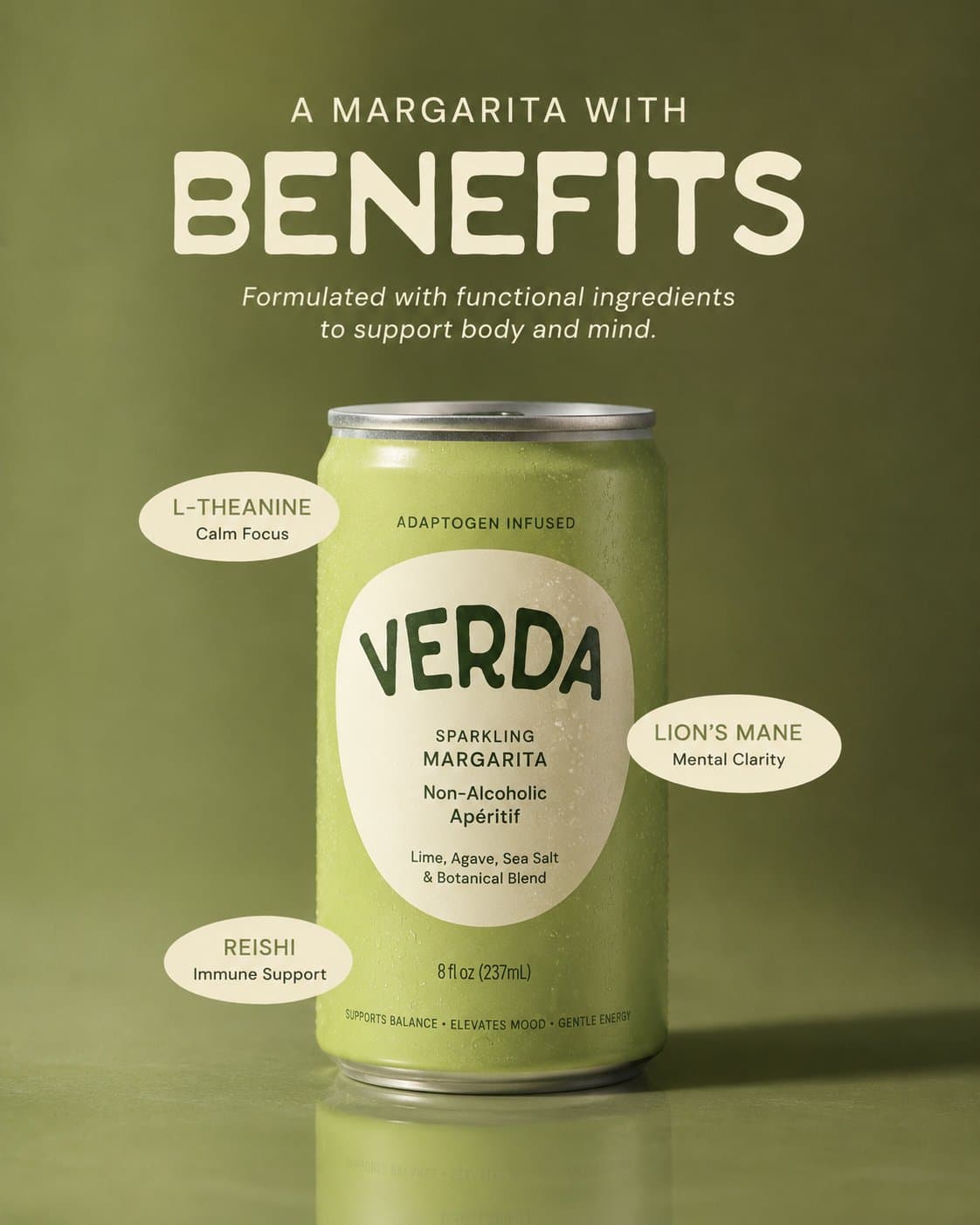
Pick the format by the hook you want to test. All of them start from one product photo or a link to your product page:
- Product showcase for visual hooks: hands, unboxing, close-ups, a reveal. The product is the star, with captions, music and an end card with your brand. 3–15 seconds. Make one in the AI commercial generator.
- UGC video for role call-outs and contradiction lines. An AI creator talks to camera about your product with a phone-shot look. The script is editable, so you write the first line yourself. 3–15 seconds. See AI UGC ads.
- Avatar slideshow for price reframes and step-by-step openings. An AI presenter talks over 3–6 slides, 15 to 30 seconds, 9:16. See AI avatar video ads.
Your real product stays the same in every frame: color, shape, label and logo. That matters most for oddity hooks, where the scene is strange on purpose but the product must stay exactly what the buyer will get. All formats live in one AI video ad generator.
How to test video ad hooks
- Pick one product and one message. Change only the opening.
- Make three versions with three different levers: say, an odd object, a role call-out and a reveal.
- Download them and upload to your ad account with the same budget and audience. Vendy makes the creative. It doesn't buy media or post for you.
- After a few days, keep the hook that holds attention and brings clicks. Put a new body behind it, or new hooks in front of the winning body.
Running on TikTok? Read TikTok AI ads or go straight to the TikTok ad generator. For the full picture of formats, see our guide to AI video ads.
Takeaways
- Video ad hooks live in the first one or two seconds. Judge them first, before anything else in the video.
- Stop the scroll with surprise: a contradiction, an object that doesn't belong, a visual oddity.
- Name the viewer's role, promise time or effort saved, and hold the reveal to the end.
- Text on screen and a face are hygiene, not hooks. Keep them, but don't rely on them.
- Test hooks against each other on the same video body. Let the numbers pick.
Keep reading
All articles Video ads
AI video ads: types, lengths and how to make them
Creator clips, presenters over slides and product showcases: what each kind of AI video ad is for, which length and frame fits each platform, and how to make one from a product photo.8 min read
 Video ads
AI commercials: what a small seller can actually make
AI commercials are no longer just for big brands. Here is what they are, how they differ from a TV spot, and how to make one from a single product photo.6 min read
 Video ads
Affordable AI avatars for small business: who should use them and how
No camera, no actor, no studio. How a small or local business can use an AI presenter or an AI creator in its ads, where it works best, and what to keep honest.7 min read